
नक्षत्र फाउंडेशन
A practical introduction to lunar mansions, padas, Moon-based interpretation, dasha origins, and compatibility use.
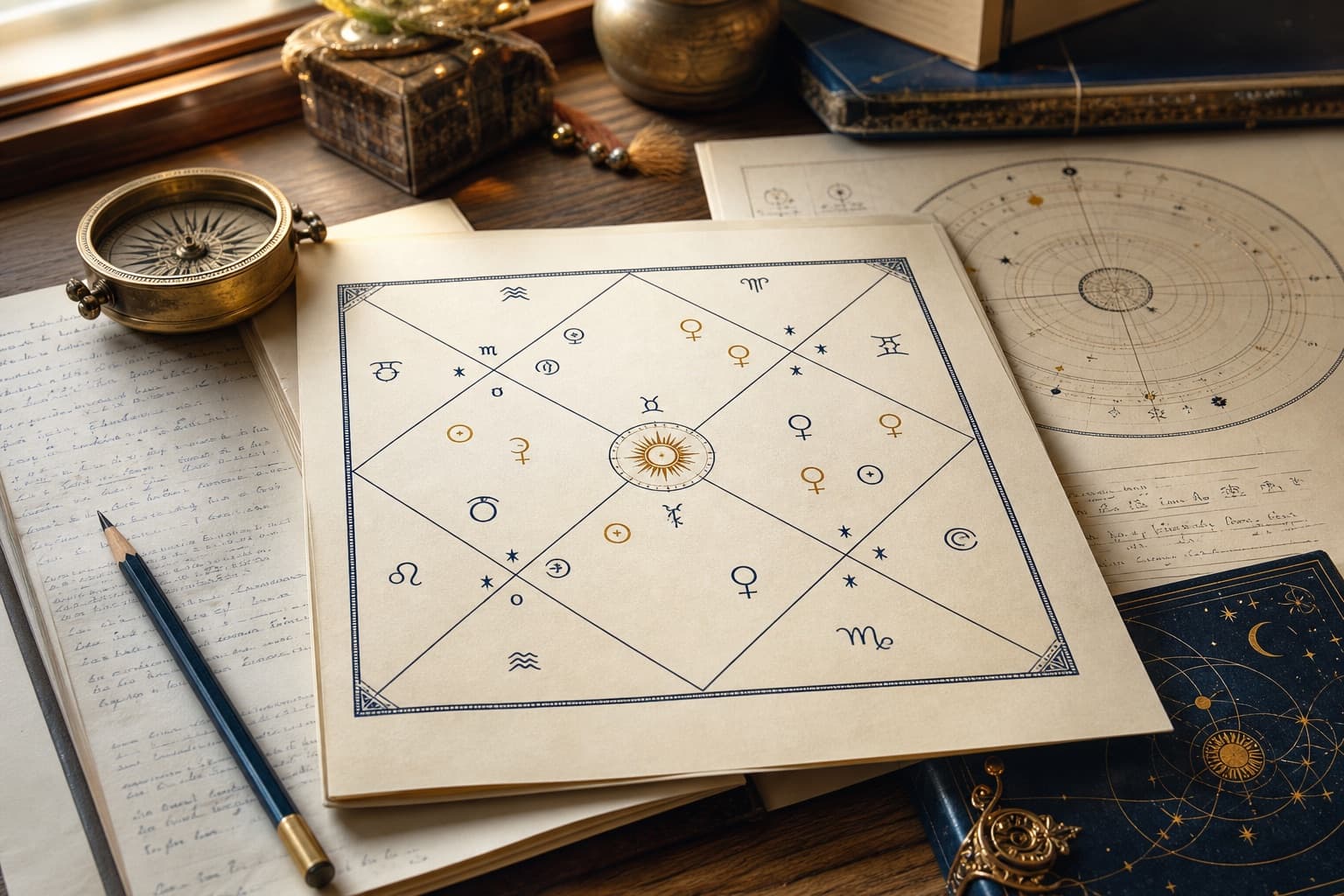
दृश्य नोटबुक
इस पाठ का अध्ययन कैसे करें
अवधारणा को पढ़ें, इसे वास्तविक कुंडली पर अंकित करें, फिर परीक्षण करें कि निष्कर्ष चार्ट साक्ष्य से मिलता है या नहीं।
एंकर
कदम 1व्याकरण
कदम 2लेखापरीक्षा
कदम 3नुस्खा पढ़ना
- 1नक्षत्र क्या जोड़ते हैं
- 2चंद्र नक्षत्र
- 3पदास
- 4नक्षत्र का जिम्मेदारीपूर्वक उपयोग कैसे करें
पहचानने योग्य अवधारणाएँ
विद्यार्थी अनुशासन
इसे एक निश्चित भविष्यवाणी के रूप में याद न रखें। इसे एक विधि के रूप में उपयोग करें: कारक की पहचान करें, स्थिति की जांच करें, सहायक परतों की तुलना करें, फिर एक उपयोगी उत्तर लिखें।
नक्षत्र क्या जोड़ते हैं
A sign covers 30 degrees. A nakshatra covers 13 degrees and 20 minutes. This gives Jyotish a finer lunar layer for temperament, motivation, symbolism, and timing.
For example, two people may both have Moon in Capricorn, but different nakshatras can show different emotional rhythm and life emphasis.
चंद्र नक्षत्र
The Moon nakshatra is especially important because it anchors the Vimshottari dasha sequence and many compatibility factors. This is why a professional report should list Moon sign, nakshatra, pada, and current dasha clearly.
पदास
Each nakshatra is divided into four padas. Padas add another layer of refinement and connect to Navamsa structure. In compatibility, padas can matter when two charts look similar at the broader nakshatra level.
नक्षत्र का जिम्मेदारीपूर्वक उपयोग कैसे करें
Nakshatra symbolism can become poetic very quickly. Keep it grounded: connect it back to the Moon, house placement, sign lord, dasha, and the question being asked.
- Use nakshatra to refine, not replace, the chart.
- Avoid making extreme claims from deity or animal symbolism alone.
- In matching, explain factor-by-factor rather than hiding behind a total score.
संबंधित शर्तें
पढ़ते रहो
कुंडली क्या है?
कुंडली क्या है, कौन सा डेटा इसे बनाता है, इसकी परतें एक साथ कैसे फिट होती हैं, और इसे जिम्मेदारी से कैसे पढ़ा जाए, इस पर एक बुनियादी पाठ्यक्रम पाठ।
लेख पढ़ेंलग्न, चंद्रमा और सूर्य: तीन एंकर
वैदिक चार्ट के तीन प्राथमिक आधारों पर एक गहन शुरुआती पाठ: जीवन अभिविन्यास के लिए लग्न, मन और समय के लिए चंद्रमा, और जीवन शक्ति और उद्देश्य के लिए सूर्य।
लेख पढ़ें