
गरिमा, शक्ति और ग्रह स्थिति
A disciplined lesson on exaltation, debilitation, own sign, friendly signs, combustion, retrograde, and why strength is not the same as benefit.
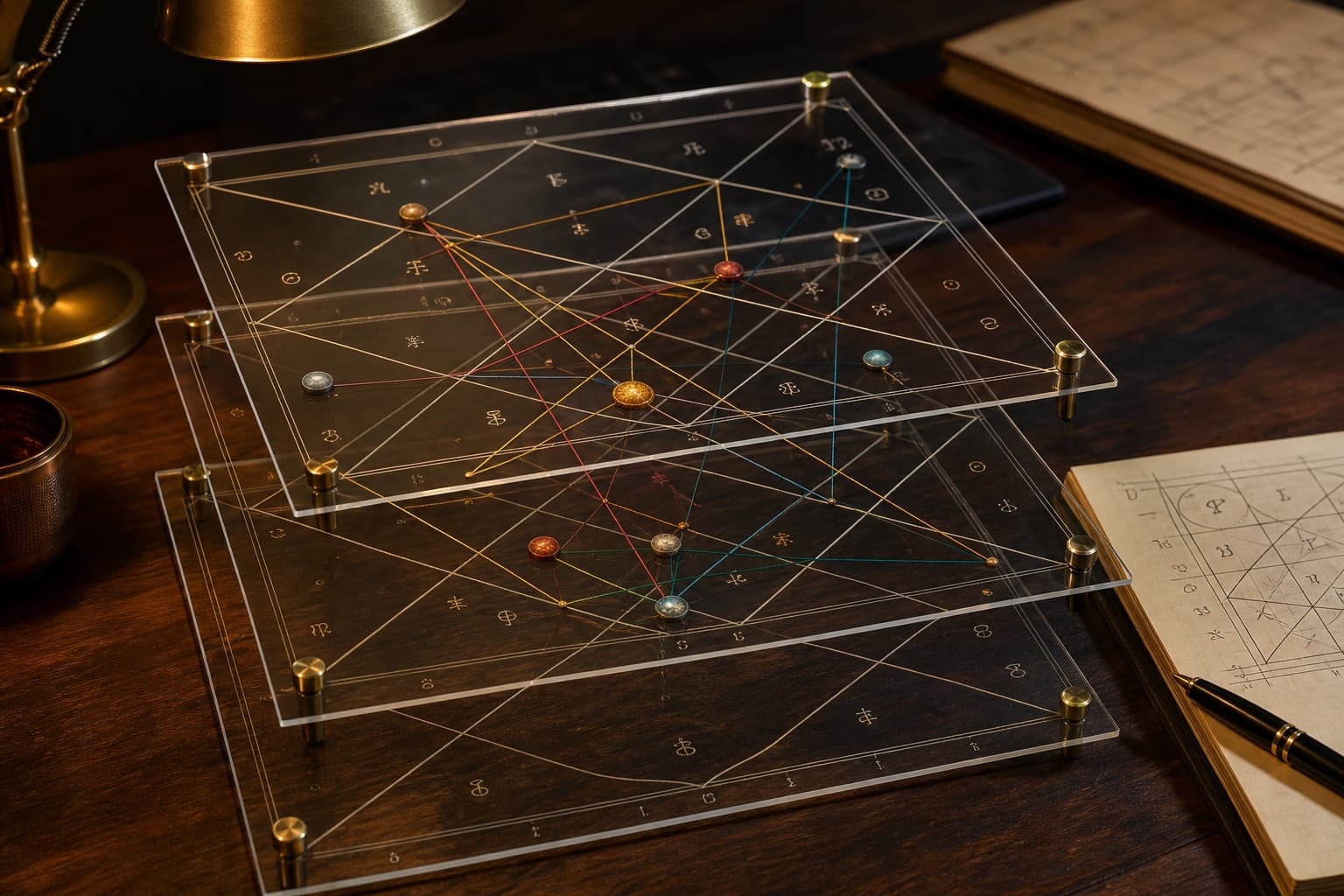
दृश्य नोटबुक
इस पाठ का अध्ययन कैसे करें
अवधारणा को पढ़ें, इसे वास्तविक कुंडली पर अंकित करें, फिर परीक्षण करें कि निष्कर्ष चार्ट साक्ष्य से मिलता है या नहीं।
D1 प्रथम
कदम 1विषय विधि
कदम 2संश्लेषण
कदम 3नुस्खा पढ़ना
- 1गरिमा मूल बातें
- 2ताकत बनाम लाभ
- 3सामान्य स्थिति संशोधक
- 4ग्राहक-सुरक्षित भाषा
पहचानने योग्य अवधारणाएँ
विद्यार्थी अनुशासन
इसे एक निश्चित भविष्यवाणी के रूप में याद न रखें। इसे एक विधि के रूप में उपयोग करें: कारक की पहचान करें, स्थिति की जांच करें, सहायक परतों की तुलना करें, फिर एक उपयोगी उत्तर लिखें।
गरिमा मूल बातें
A planet may be exalted, debilitated, in own sign, in a friendly sign, neutral sign, or inimical sign. These terms describe how comfortably the planet can express its function.
Exalted does not automatically mean good results in every topic. Debilitated does not automatically mean failure. A debilitated planet can still become meaningful through support, neecha bhanga, house context, dasha maturity, or practical discipline.
ताकत बनाम लाभ
Strength asks: can this planet act? Benefit asks: what does it act on and how does it affect the life area? A strong 6th lord may give the ability to defeat competition, but it may also intensify conflict or work pressure. A strong Saturn may bring durable achievement, but through responsibility and delay.
सामान्य स्थिति संशोधक
Condition is built from multiple signals.
- Combustion: a planet close to the Sun may have reduced independent expression.
- Retrograde: a planet may become intensified, internalized, revisited, or irregular.
- Planetary war: close planetary competition can complicate expression.
- Aspect support: benefic or stabilizing aspects can improve usability.
- Dasha activation: condition becomes more visible when the planet's period runs.
ग्राहक-सुरक्षित भाषा
Instead of saying Jupiter is bad because it is debilitated, say: Jupiter themes of guidance, confidence, judgment, or growth may need deliberate structure and mature support. This gives the user something useful to do.
संबंधित शर्तें
पढ़ते रहो
D1 चार्ट कैसे पढ़ें
संपूर्ण-चार्ट अभिविन्यास से विषय-विशिष्ट संश्लेषण तक डी1 चार्ट को पढ़ने के लिए संचालन का एक व्यवसायी-शैली क्रम।
लेख पढ़ेंD9 and D10: When Divisional Charts Matter
परिपक्वता, संबंध, धर्म, करियर, सार्वजनिक कार्य और ग्रहों की ताकत के लिए परिशोधन चार्ट के रूप में डी9 और डी10 पर एक गहरा पाठ।
लेख पढ़ें